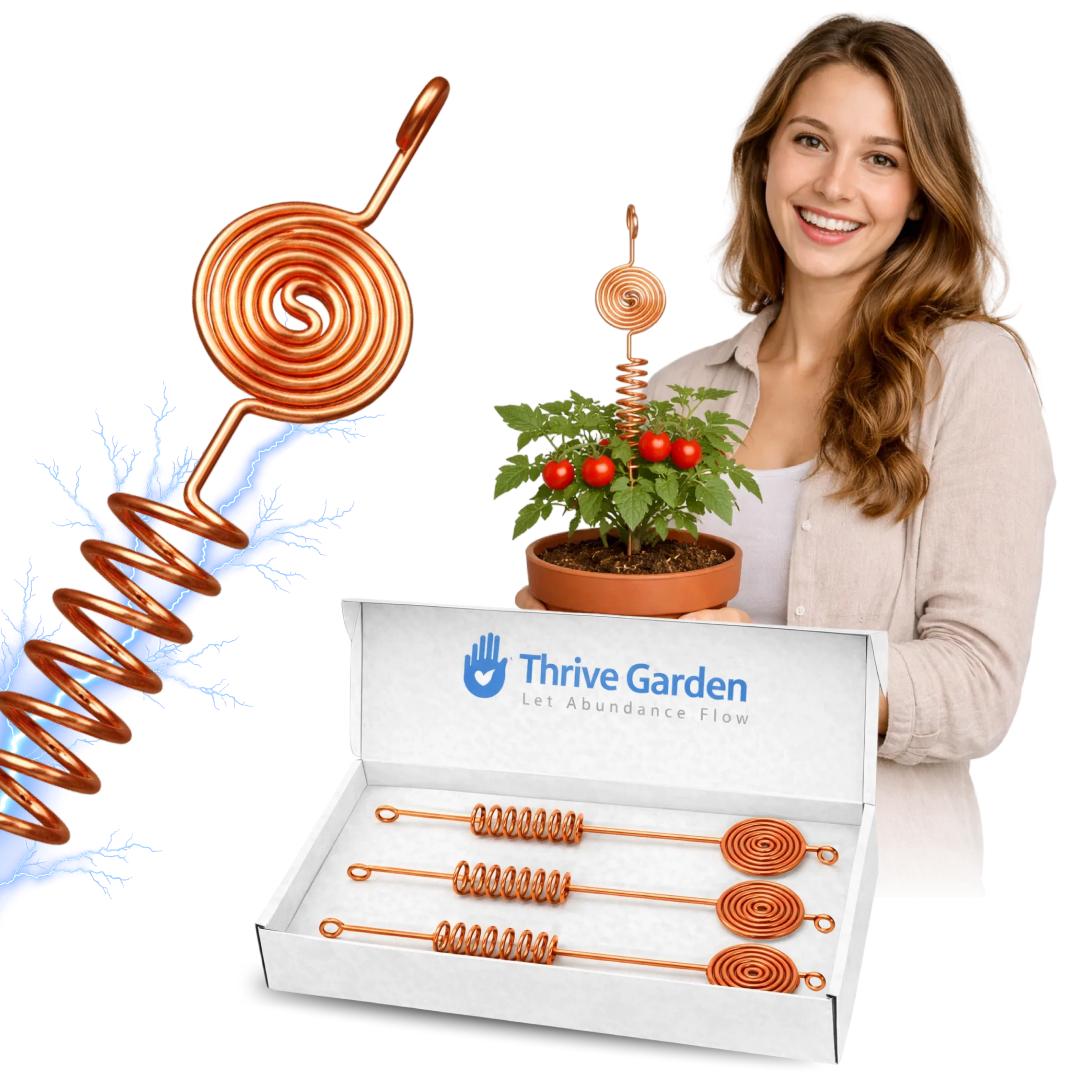
Electroculture, the intriguing technique , indicates that plants can benefit when subjected to gentle electric fields . Some electroculture suggest that this subtle jolt increases mineral uptake , resulting to accelerated development and possibly larger production. While mainstream validation has been insufficient, many practitioners share astounding gains in their individual patches , fueling further investigation of this nascent approach to farming and produce cultivation.
The Beginner's Guide to Electroculture Gardening
Interested to learn a new gardening technique ? Electro-culture gardening is harnessing subtle energies to boost plant growth . This sounds complex , but the basic principles are surprisingly easy to understand . Typically, it features creating the grid of conductive wire above your crops, potentially connected to a low-voltage energy source. While rigorous proof exists limited, many cultivators claim significant increases in plant health and productivity . This briefly cover the essentials in upcoming sections.
Does Electrical Farming Really Work? Distinguishing Reality from Fantasy
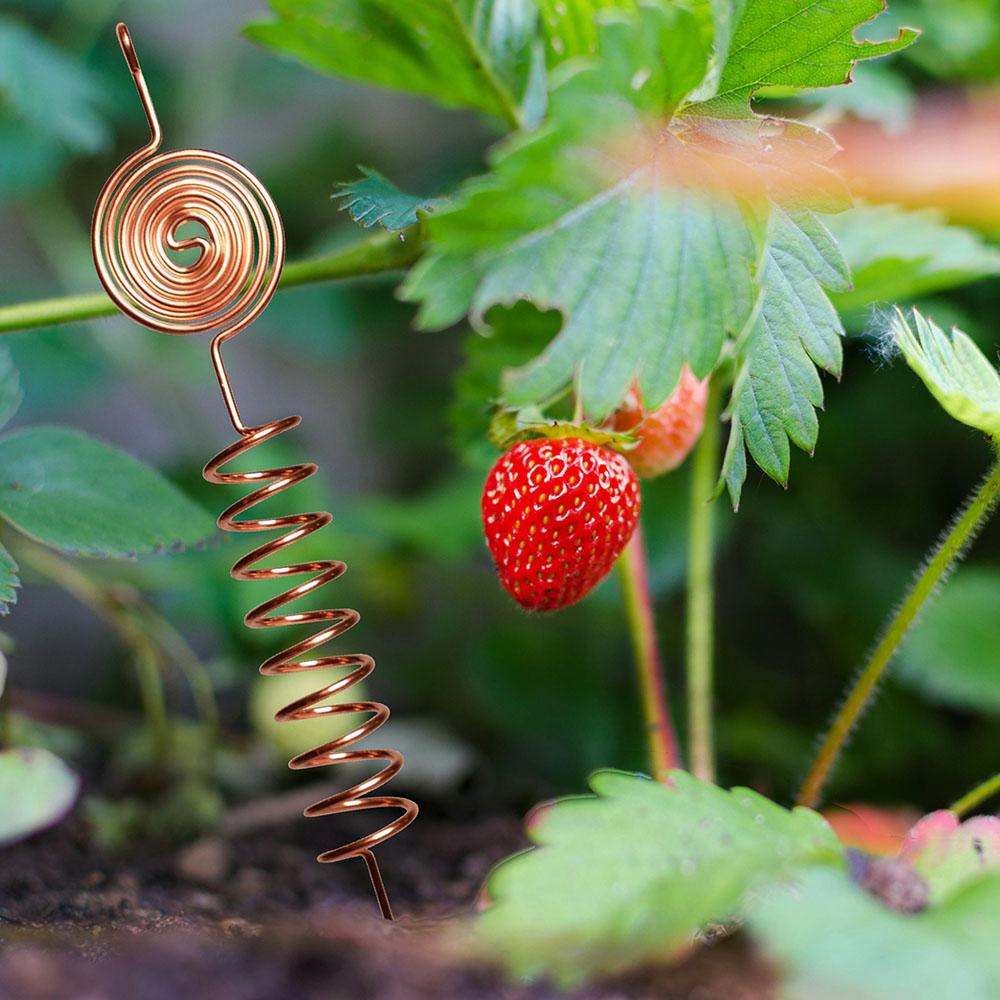
Electroculture, a technique employing subtle electricity to enhance plant growth, sparked widespread buzz online. However, it's crucial to carefully evaluate the claims and delineate legitimate findings versus dubious promotion. Despite certain initial trials appear to indicate better harvests, the objective grounding remains mostly obscure. Many reportedly achievements may be caused by confounding variables, such as the earth, irrigation, or straightforward coincidence. More rigorous investigation and peer-reviewed confirmation are needed to confirm if electroculture involves a dependable agricultural technique.
Creating Your Own Electrical Garden: A Practical Guide
Embarking towards the fascinating world of electroculture can appear daunting, but creating your own electroculture garden is surprisingly achievable with a few basic steps. First, collect your materials: a container , copper wire , zinc plate , water, and a power source – a small battery or self-made cell can work . Then , arrange the copper and zinc surrounding the water inside the container, ensuring they haven't touch. The bioelectrical field produced between these metals is thought to promote plant growth . Finally, watch your plants and adjust the system as needed – electroculture is as much dealing with experimentation as it is dealing with following directions .
Electrical Gardening vs. Conventional Gardening : What is The Variation ?
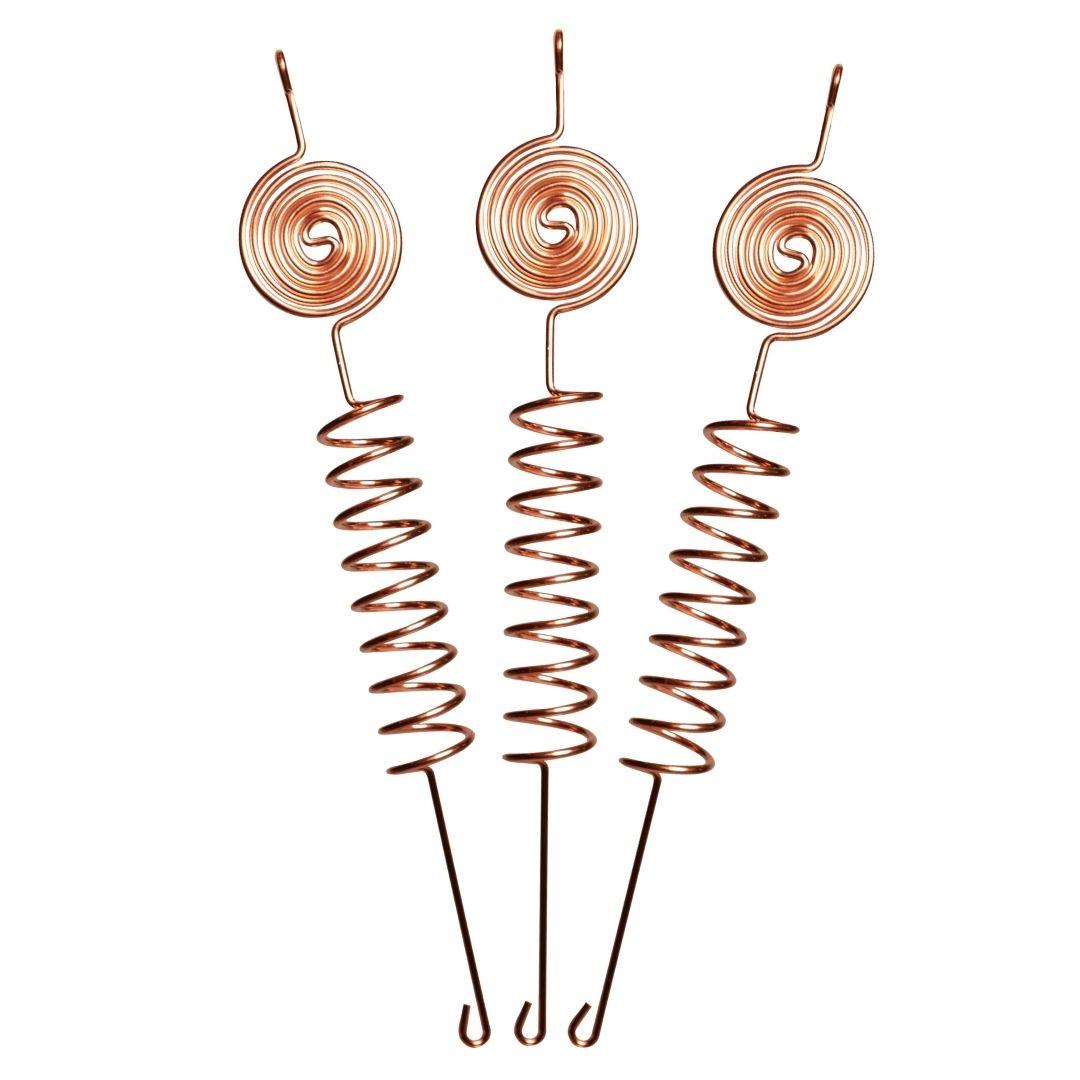
Many gardeners are investigating electroculture as an method to traditional gardening . While both pursue to cultivate healthy crops , they employ drastically different approaches . Traditional gardening depends on soil nutrients , sunlight , and moisture , often with extra nutrients . In difference, electrical gardening utilizes a low electrical to energize crop maturation, conceivably minimizing the requirement on earth and traditional enhancements. Ultimately , electroculture represents a quite emerging concept in cultivation with distinct opportunities.
Boosting Plant Growth with Electroculture: Potential & Practicalities
Electroculture, a controversial method indicating plant flourishing through electrical fields , has sparked considerable attention amongst growers. Historical accounts suggested astounding enhancements in yield and overall plant robustness. While the precise mechanism stays unclear , some explanations direct to enhanced water absorption and nutrient access within the ground. Practical implementations can span from rudimentary DIY setups using copper and zinc electrodes to more complex configurations. However, it’s crucial to approach electroculture with consideration, acknowledging the limited peer-reviewed rigorous proof and potential dangers associated with faulty implementation. Further study is necessary to fully understand check here the chance and restrictions of this fascinating technique to agriculture .
- Potential benefits include increased yield and improved plant health.
- Consider the need for further research and scientific validation.
- Practical applications range from simple DIY systems to complex configurations.